You've put in the work. The early mornings. The thousands of reps. The nutrition, the recovery, the sacrifice. Physically, you're ready.
But when it matters most—the championship game, the crucial putt, the final set—something happens. Your body tightens. Your mind races. The skills that feel automatic in practice suddenly feel foreign under pressure.
You know you're capable of more. You've proven it. Just not consistently when it counts.
That gap between your potential and your performance? It's not physical. It's mental.
The 90% Problem
Ask any elite athlete and they'll tell you: sports are 90% mental. Yet how much of your training time is dedicated to your mental game?
Most athletes spend thousands of hours perfecting technique and building physical capacity. They'll hire coaches, watch film, analyze every detail of their mechanics.
But the mental side? Maybe some visualization. A few deep breaths before competition. Perhaps a sports psychologist who has them journal about their feelings.
It's not enough. Not even close.
The mental game isn't a nice-to-have. It's the difference between being good and being great. Between potential and performance. Between choking under pressure and rising to the moment.
What's Really Happening Under Pressure
When you underperform in big moments, it's not a mystery. Your nervous system is doing exactly what it's designed to do: protect you from threat.
The problem is, your brain can't tell the difference between a lion attack and a high-stakes competition. Both register as danger. Both trigger the same cascade of stress hormones. Both activate the same fight-or-flight response.
When this happens:
- Your muscles tighten — Fluidity disappears, mechanics break down
- Your focus narrows — You lose awareness of the bigger picture
- Your breathing shallows — Less oxygen, less clarity
- Your overthinking kicks in — Conscious mind hijacks automatic skills
- Your timing goes off — Everything feels rushed or delayed
This isn't weakness. It's biology. And you can't think your way out of a biological response.
Why Traditional Mental Training Falls Short
Most mental performance approaches try to manage these responses at the conscious level:
Visualization — Helpful, but limited. You're still working with the mind that has the problem.
Positive self-talk — Sounds good, doesn't work under pressure. You can't out-affirmation a stress response.
Breathing techniques — Useful in the moment, but doesn't address the root cause.
Sports psychology — Great for awareness, but often too slow. Understanding why you choke doesn't stop you from choking.
These tools aren't useless. But they're working at the wrong level. They're trying to control symptoms instead of rewiring the source.
"You can't manage your way to flow state. You have to become someone who naturally enters it."
How Hypnosis Rewires Athletic Performance
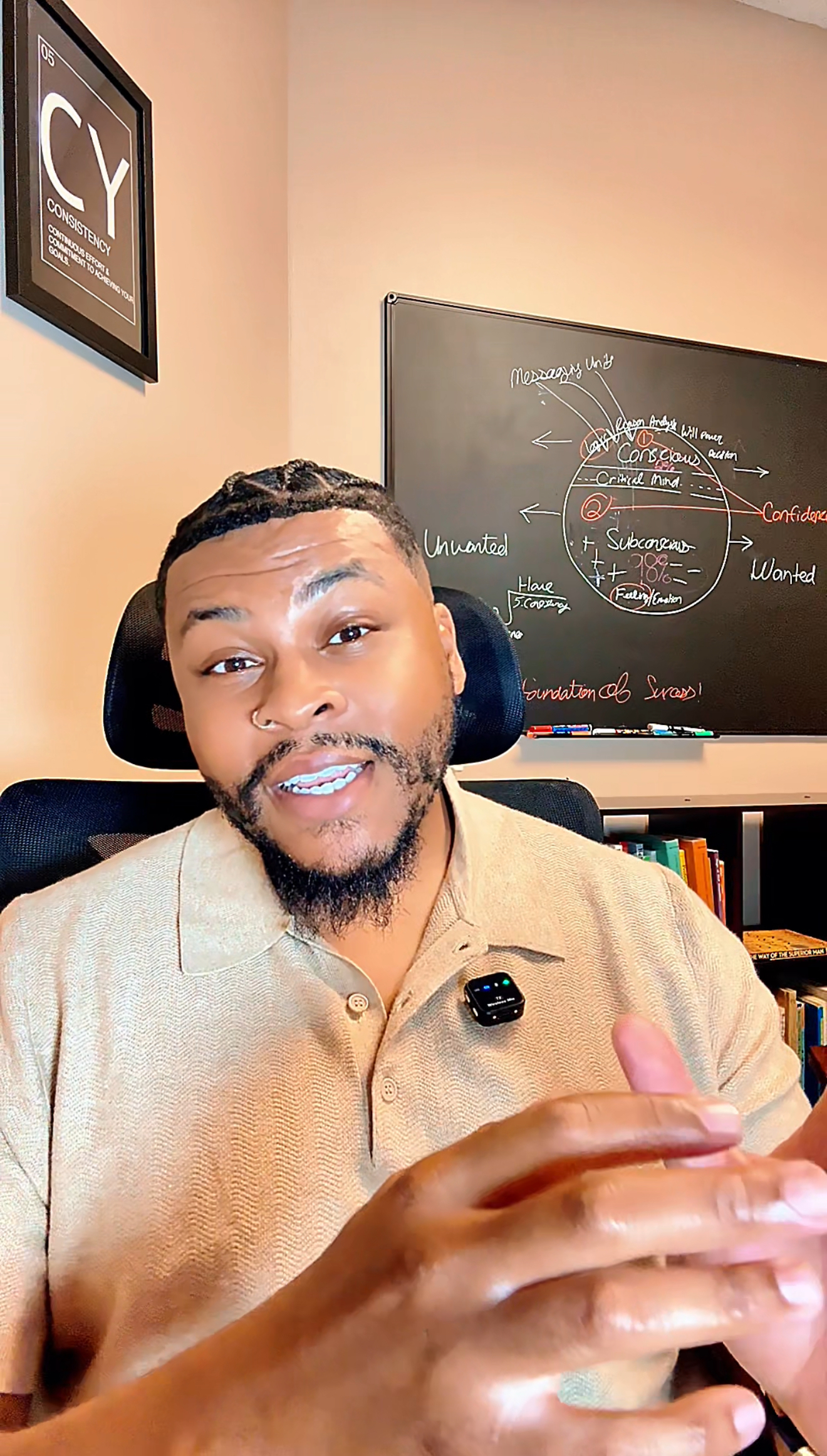
Hypnosis works because it bypasses the conscious mind and speaks directly to the subconscious—where your automatic responses actually live.
In a hypnotic state, we can:
- Disconnect pressure from threat — Your nervous system learns that competition isn't danger. The stress response stops firing.
- Install automatic confidence — Not the kind you have to pump yourself up for. The quiet certainty that's just there.
- Anchor flow state — Create reliable access to the zone, on demand.
- Clear past failures — That missed shot, that bad game, that injury—we remove the emotional charge so it stops affecting present performance.
- Program clutch performance — Instead of tightening under pressure, you elevate. Pressure becomes fuel.
- Accelerate skill acquisition — Your brain can rehearse perfect reps while you rest, speeding up the learning curve.
This isn't motivation or mindset tips. It's neurological change. We're literally rewiring how your brain responds to competition.
What Athletes Experience
Athletes who do this work describe experiences like:
- "The game slowed down. I had so much more time to react."
- "I stopped thinking about my mechanics. Everything just flowed."
- "Playoff pressure used to paralyze me. Now I actually want the ball in crunch time."
- "I used to spiral after a bad play. Now I just reset and move on."
- "My coach asked what changed. I'm the same athlete—just without the mental handbrake."
This is what performance looks like when your psychology is handled. It's not about becoming emotionless—it's about having emotions that serve you instead of sabotage you.
The Identity Shift
Here's what separates good athletes from elite performers: identity.
Good athletes hope they'll perform well. Elite athletes know they will—because it's who they are, not just what they do.
My approach—Identity 2.0—doesn't just address performance behaviors. We transform the underlying identity that creates them.
We don't just work on your mental game. We rebuild the athlete. Not someone who manages nerves, but someone who doesn't have those nerves in the first place. Not someone who tries to get in the zone, but someone who lives there.
The result is sustainable, automatic excellence. Performance that doesn't depend on having a good day or the right conditions. You show up as your best because that's who you've become.
Ready to Unlock Your Mental Edge?
I work with serious athletes who are ready to close the gap between their potential and their performance. Apply below.
Apply NowCommon Questions from Athletes
What sports does this work for?
Any sport with a mental component—which is all of them. I've worked with golfers, tennis players, baseball players, fighters, swimmers, and more. The principles are universal.
How many sessions until I see results?
Most athletes notice shifts within the first 2-3 sessions. Full transformation typically happens over 8-12 sessions, depending on how deep the patterns run.
Can you help with the yips?
Yes. The yips are a subconscious pattern—exactly what hypnosis is designed to address. I've helped athletes eliminate throwing, putting, and serving yips that traditional approaches couldn't touch.
What about injury recovery?
Hypnosis can accelerate physical healing and—just as importantly—address the mental side of coming back from injury. Fear of re-injury, lost confidence, and identity disruption are all things we can work on.
Do I need to be in Dallas?
No. I work with athletes virtually all over the world. Sessions happen over Zoom and are just as effective as in-person.