Most personal development focuses on changing what you do. Set better goals. Build better habits. Try harder. Be more disciplined.
It works—sometimes. For a while. Until the old patterns creep back. Until willpower runs out. Until you find yourself right back where you started, wondering why change is so hard.
Here's the truth nobody tells you: behavior change fails because you're trying to act like someone you're not.
Identity 2.0 takes a different approach. Instead of fighting against your current programming, we upgrade it. Instead of managing your limitations, we eliminate them. Instead of changing what you do, we transform who you are.
The Problem with Traditional Approaches
Think about the last time you tried to change something significant in your life. Maybe it was a habit, a pattern, a response you didn't like.
You probably:
- Made a decision to change
- Used willpower to force new behavior
- Succeeded for a while through sheer effort
- Slowly slipped back to old patterns
- Felt frustrated and wondered what's wrong with you
Nothing is wrong with you. The approach is wrong.
Your behaviors aren't random. They emerge from your identity—from the beliefs, patterns, and programs running in your subconscious mind. These were installed over years, often decades. They run automatically, below the level of conscious awareness.
Trying to change behavior without changing identity is like trying to change the output of a computer without touching the code. You can force different results temporarily, but the moment you stop forcing, the program runs again.
"You don't rise to the level of your goals. You fall to the level of your identity."
The Identity 2.0 Approach
Identity 2.0 works at the source level. Instead of managing symptoms, we reprogram the operating system itself.
The framework is built on three principles:
1. Identity Drives Behavior
Who you believe you are determines what you do. A person who identifies as "not good with money" will sabotage wealth, no matter how many budgeting apps they download. A person who identifies as "someone who chokes under pressure" will find ways to choke, no matter how much they prepare.
Change the identity, and behavior changes automatically. You don't have to force it—it becomes the natural expression of who you are.
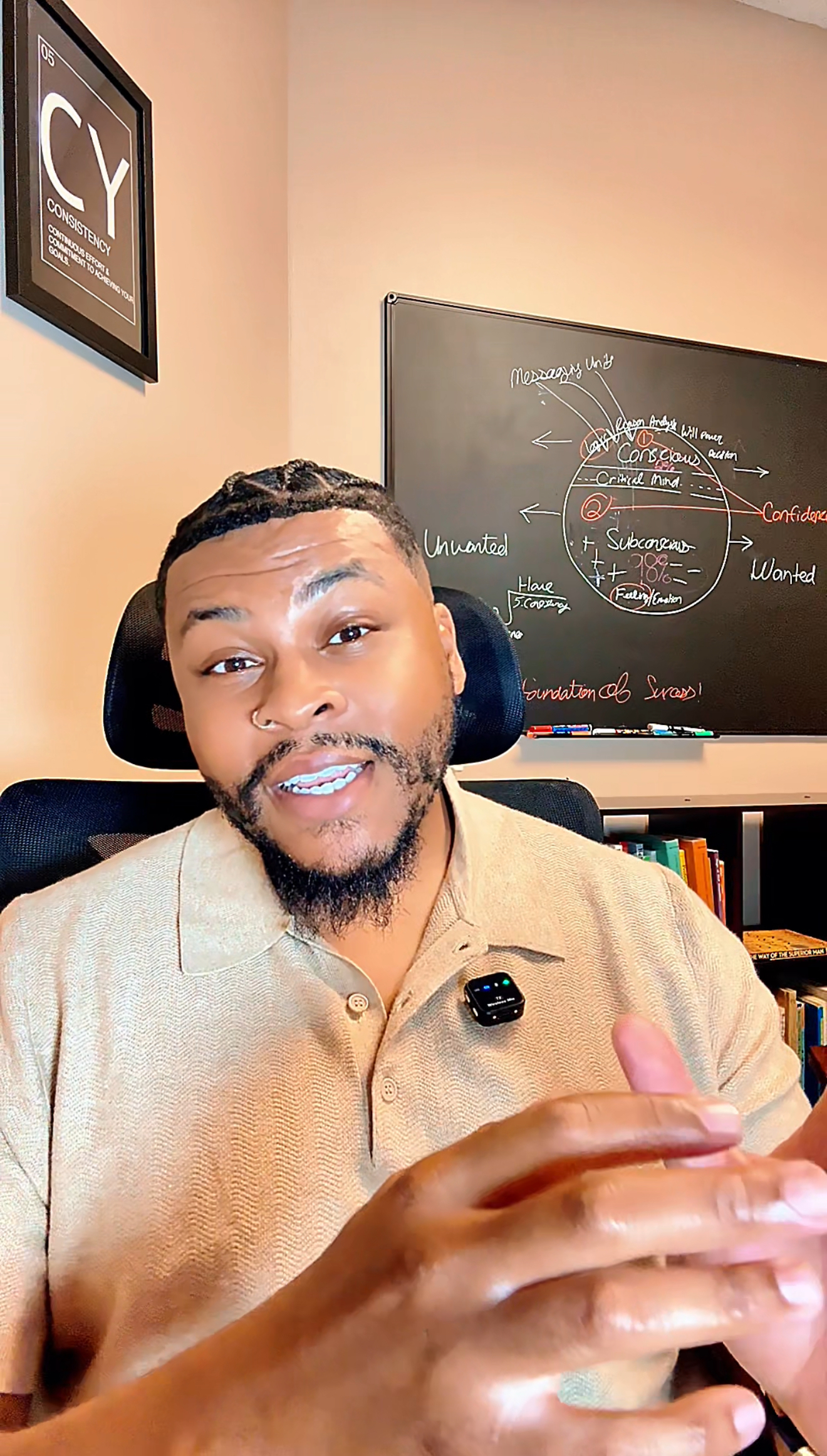
2. The Subconscious Is the Control Center
Your conscious mind is not running the show. Research suggests that up to 95% of our thoughts, decisions, and actions are driven by subconscious processes.
This is why you can know exactly what you should do and still not do it. Your conscious mind wants one thing; your subconscious is programmed for another. Guess which one wins?
Identity 2.0 works directly with the subconscious through clinical hypnosis—bypassing conscious resistance and installing new programming at the source.
3. Transformation Is Multi-Dimensional
Your identity isn't one thing. It's a constellation of beliefs, patterns, and programs across multiple areas of your life. Changing one dimension while ignoring others creates internal conflict.
That's why Identity 2.0 addresses 12 dimensions—ensuring comprehensive transformation that sticks.
The 12 Dimensions
Identity 2.0 works across 12 key dimensions of identity. We assess where you are, define where you want to be, and systematically reprogram each area:
Not everyone needs work in all 12 dimensions. But by assessing the full picture, we can identify exactly where the friction is—and address it systematically.
How It Works
The Identity 2.0 process follows a clear structure:
Phase 1: Mapping
We assess your current identity across all 12 dimensions. Where are the gaps between who you are and who you want to be? What patterns are running? What beliefs are limiting you? This creates a clear blueprint for transformation.
Phase 2: Reprogramming
Using clinical hypnosis, we systematically address each area that needs work. We clear old patterns, install new beliefs, and build the neural pathways for your upgraded identity. This isn't talk therapy—it's direct subconscious reprogramming.
Phase 3: Integration
New programming needs reinforcement. Through custom audio recordings and follow-up sessions, we ensure the changes stick. The goal is permanent transformation, not temporary improvement.
Phase 4: Embodiment
The final phase is living from your new identity. This isn't about maintaining change through effort—it's about allowing behavior to flow naturally from who you've become. Change becomes effortless because it's no longer change—it's just you.
Who Is This For?
Identity 2.0 is designed for high performers who:
- Have achieved external success but feel internal friction
- Know they're capable of more but can't seem to access it
- Are tired of managing limitations instead of eliminating them
- Want transformation that actually lasts
- Are ready to invest in themselves at a serious level
This is NOT for people who:
- Want a quick fix or magic bullet
- Aren't ready to look honestly at themselves
- Are satisfied with incremental improvement
- Want someone else to do the work for them
Ready to Upgrade Your Identity?
If you're ready to stop managing who you are and start transforming it, apply below.
Apply NowThe Results
People who complete Identity 2.0 describe experiences like:
- "I don't recognize my old patterns anymore. They just... aren't there."
- "The things that used to trigger me don't even register now."
- "I'm not trying to be confident. I just am."
- "My spouse asked what happened to me. In the best way."
- "I'm performing at a level I always knew was possible but could never access."
This is what's possible when you stop fighting against your programming and start upgrading it. When you stop trying to act like someone you're not and become someone new.
Identity 1.0 got you here. Identity 2.0 takes you where you're meant to go.